

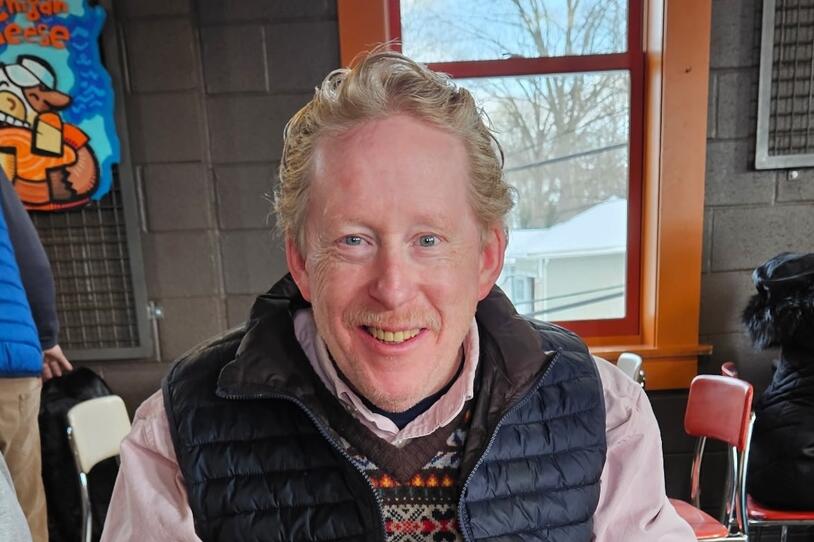
At 62, Rick Grant can still pinpoint the moment his life changed, though not in any way he would have expected. When his left arm stopped swinging and his leg began to drag, he went looking for answers, hoping for something straightforward. The possibilities he was given were stark: multiple sclerosis, stroke or Parkinson’s disease.
“I thought, let it be a stroke,” he recalls. “A stroke seemed like the easiest one to deal with.”
Within minutes, his doctor referred him to the University of Maryland for further testing. That would ultimately point them to one clear answer: Parkinson’s.
After they got the news, Rick and his wife stepped out for lunch to take it in before telling their children. When they got home, their daughter quickly returned with information about research and resources, including from The Michael J. Fox Foundation. That moment became a turning point, introducing Rick to a path he hadn’t anticipated, but would soon fully embrace.
Turning to Research Early
Within weeks of his diagnosis, Rick enrolled in the Parkinson’s Precision Medicine Initiative (PPMI), a landmark research study designed to better understand the disease. His motivation was simple: “To stamp out Parkinson’s.”
Through PPMI, Rick underwent genetic testing that revealed a variant linked to Parkinson’s disease. The results pointed to his Ashkenazi Jewish heritage—something he had always known culturally, but hadn’t connected to his health. “I knew about my heritage,” Rick explains, “but I didn’t know that it had anything to do with heredity and Parkinson’s.”
Researchers have identified certain genetic variants, including in the GBA and LRRK2 genes, that are more common among people of Ashkenazi Jewish descent and can increase the risk of developing Parkinson’s.
While no one else in his family has been diagnosed, the discovery reshaped how he thinks about risk, and the importance of research. It has also sparked conversations within his family about whether future generations should consider genetic screening.
Why Participation Matters
Rick remains deeply committed to PPMI, traveling regularly for study visits, tests and clinical evaluations. For him, participation is about more than his own care. It’s about contributing to something larger.
“Research is not done in a vacuum,” he says. “It needs inputs from lots of sides.”
He believes that message is especially important for communities with known genetic risks, including those of Ashkenazi Jewish background. But his encouragement extends to everyone.
“The more people get involved, the more researchers will get involved, and put an end to Parkinson’s,” says Rick.
He also points to simple ways people can take part, including early screening tools like smell tests and observational studies. Even small contributions, he says, can make a meaningful difference.
“It takes very little time, and your contribution to this can save millions of lives.”
Living with Parkinson’s
Eight years in, Parkinson’s is part of Rick’s life, but not the center of it. He stays active through exercise, including a Parkinson’s-focused boxing program, and has adjusted his lifestyle to better support his health.
The disease has brought challenges, some visible, others less so. But he rejects the idea that Parkinson’s defines him. “It’s not a death sentence,” he says. “You die with it, not from it.”
Instead, he focuses on what he can control: staying engaged, staying active and continuing to show up, both for himself and for others.
For those newly diagnosed—or those who may be at risk—Rick’s advice is straightforward: don’t ignore it, and don’t go through it alone.
“Take care of yourself,” he says. “You have to prepare yourself for anything, but you can’t let yourself get down.”
He encourages people to consider participating in research like PPMI, not only to better understand their own health, but to help advance discoveries that could benefit future generations.
Looking Ahead
Rick knows there are things he can’t do as easily as he once could. But he focuses on what remains possible: time with family, staying active and contributing to progress in Parkinson’s research.
More than anything, he approaches the disease with determination.
“Parkinson’s puts up a wall,” he says. “But I’m going to find a door.”
PPMI is actively recruiting more volunteers. Researchers are looking for people diagnosed with Parkinson’s to take a smell test. Request your free scratch-and-sniff test today. Some people may be sent a free genetic test—especially people with Parkinson’s who are Ashkenazi Jewish or have a family history of the disease.
Photo Gallery
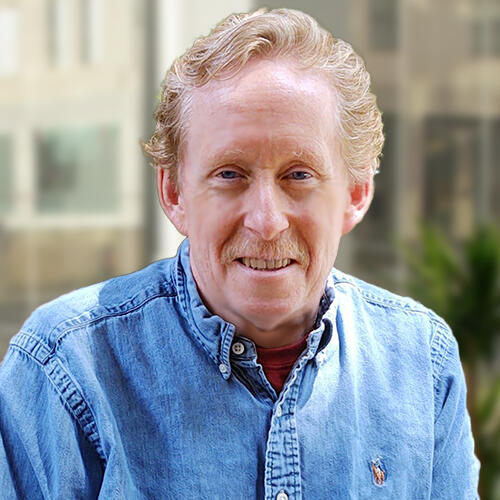
Rick Grant
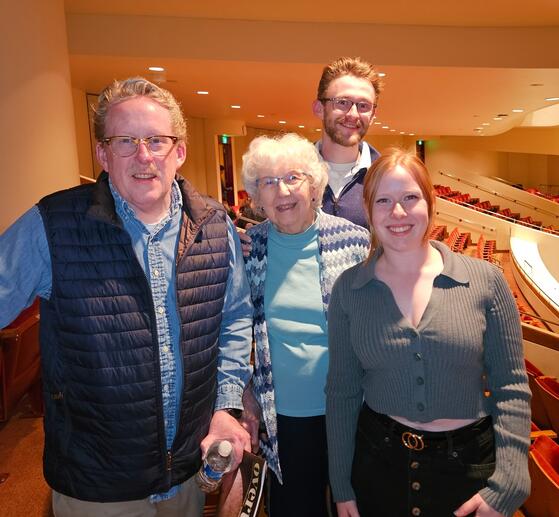
Rick with his family.
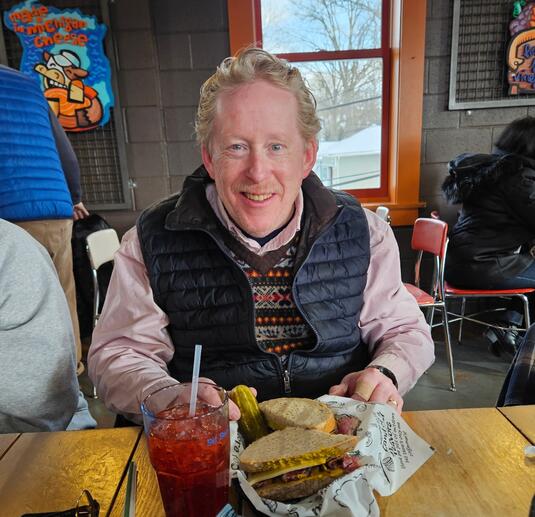
Rick enjoys a meal.
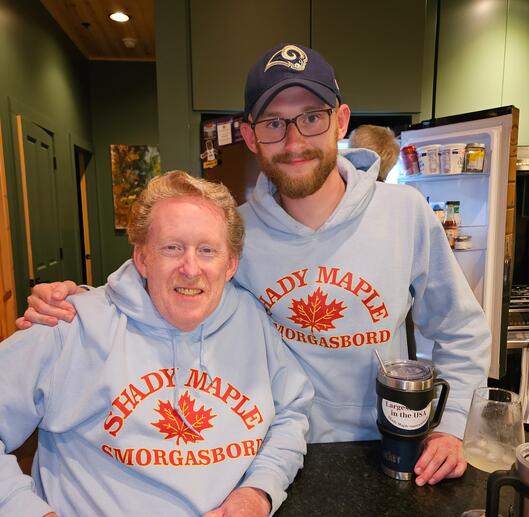
Rick and son Jerry

How's Your Sense of Smell?
Contribute to breakthroughs in Parkinson's research by taking a scratch-and-sniff smell test. It’s free, mailed to your home and takes just 15 minutes to complete.